
Optoelectronics Brings Smartphone Holograms a Step Closer

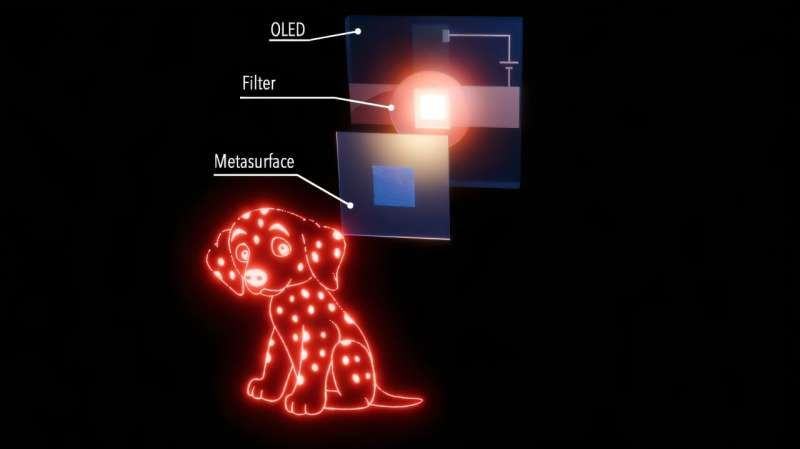
A new advance in optoelectronics from the University of St Andrews could accelerate the arrival of holographic technology in consumer devices, including smartphones, wearables, and entertainment platforms.
In a study published in Light: Science & Applications, physicists demonstrated what they claim to be the first integration of organic light-emitting diodes (OLEDs) with holographic metasurfaces to create the basic building block of a holographic display. The approach promises a more compact and affordable route to holography, potentially overcoming the reliance on dedicated lighting systems that has limited adoption to date.
OLEDs meet metasurfaces
OLEDs are already a well-established technology in consumer electronics, widely used in smartphone screens and high-end televisions. As ultra-thin, flat light sources, they are also gaining traction in optical wireless communication, biosensing, and miniaturised photonic systems.
Subscriber content
Read the full article
Full access to Holography & Optical Technology News articles, newsletters and archives.