
Scientists Create Octopus-Inspired Material

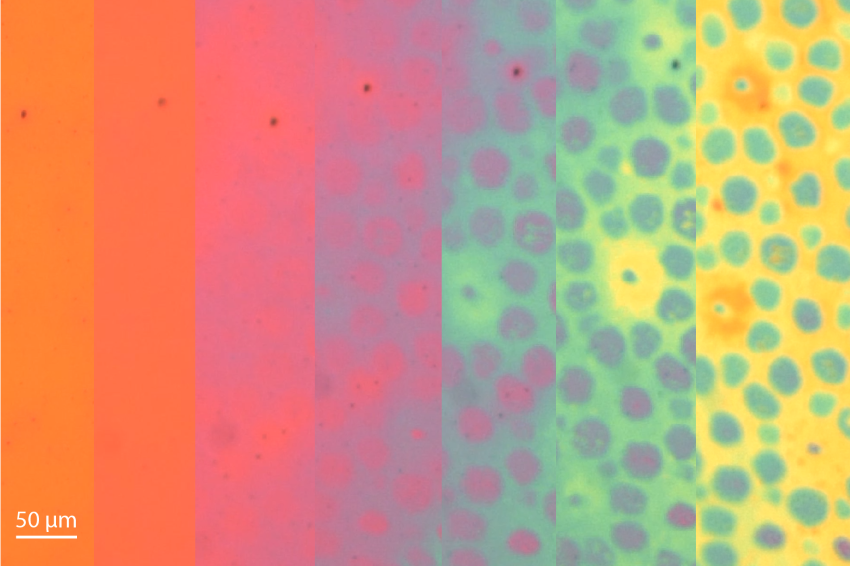
Scientists at Stanford University have developed a shape-shifting material that can dynamically change both colour and surface texture, mimicking the camouflage abilities of cephalopods such as octopuses and cuttlefish. Published in Nature, this breakthrough could enable advanced optical security, adaptive displays, soft robotics, and next-generation anti-counterfeiting technologies.
Cephalopods have long fascinated researchers with their ability to blend into their surroundings by manipulating specialised skin structures. Replicating this dual capability in synthetic materials – altering both colour and surface topography – has been a significant engineering challenge.
The Stanford team addressed this by developing a flexible polymer matrix that forms intricate surface structures at the micron scale, much smaller than a human hair. These microscopic changes in topography control how the material reflects and diffracts light, enabling dynamic visual effects.
Subscriber content
Read the full article
Full access to Holography & Optical Technology News articles, newsletters and archives.